When The Passion of the Christ was released, many believed it was simply another religious film, albeit an unusually graphic one.
But those who were there know the truth is far more unsettling.
From the first day of filming to the final frame, something moved through that production that no script could explain.
It was not just a movie about Jesus Christ.
For many involved, it became an experience that dismantled careers, reshaped faith, and left scars—both visible and invisible—that remain to this day.
By the late 1990s, Mel Gibson appeared to have everything.
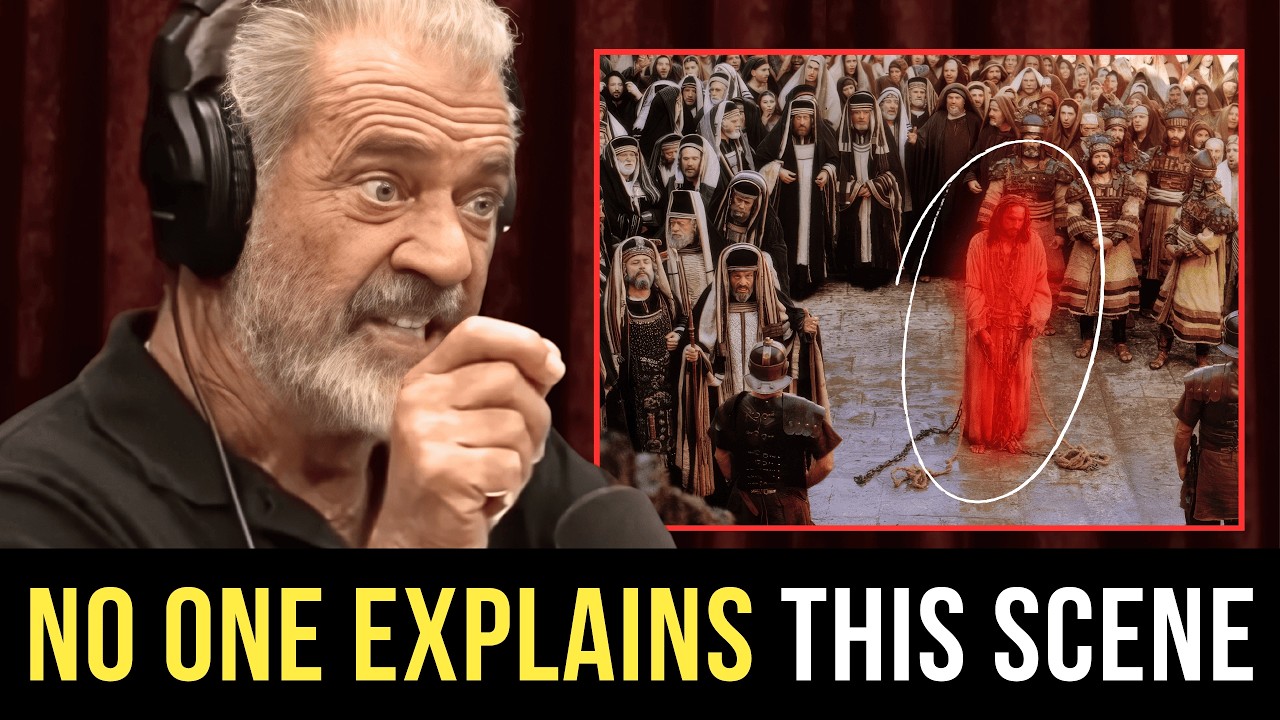
Fame, awards, and a place among Hollywood’s elite.
Yet behind closed doors, his life was unraveling.
His marriage was collapsing, alcohol consumed him, and by his own admission, he felt empty and lost.
In his darkest moments, he would later confess, he did not want to live.
It was in that despair that something unexpected happened.
One night, broken and desperate, Gibson fell to his knees and prayed—something he had not done in years.
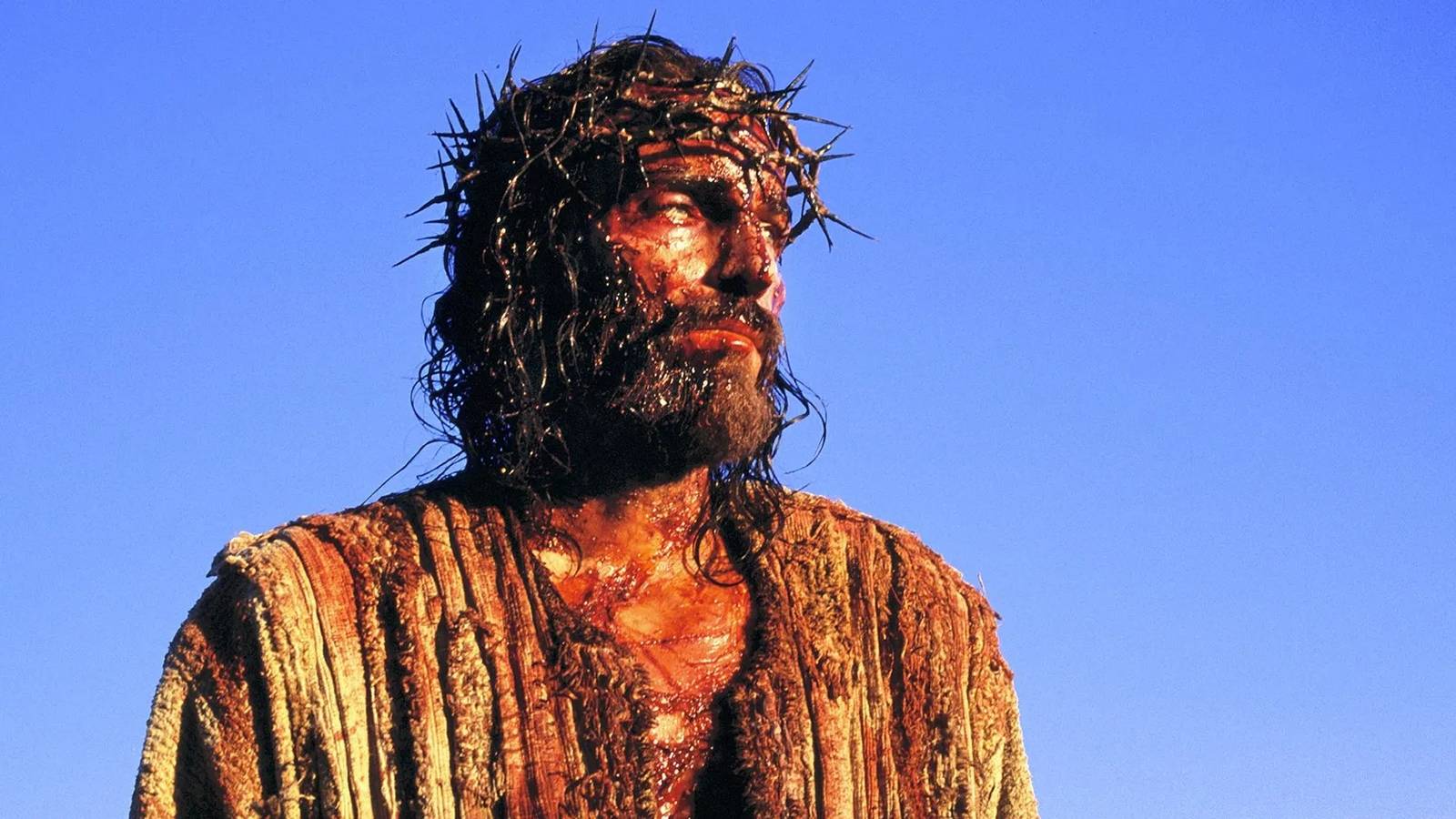
He opened a Bible, began reading the Gospels, and became consumed by the story of Christ’s suffering.
In those pages, he found not comfort, but purpose.
Gibson did not want to make another film.
He wanted redemption.
He became obsessed with portraying the Passion exactly as it happened—without filters, without compromise.
He studied Scripture, historical accounts, and the mystical visions of Blessed Anne Catherine Emmerich, whose descriptions of Christ’s suffering unnerved him with their detail.
This was not a Hollywood project.
It was a vow.
No studio would touch it.
A film in Aramaic, Hebrew, and Latin, with no English dialogue, no major stars, and extreme violence was considered financial suicide.
Executives urged him to soften the brutality, modernize the language, and make it more “accessible.
” Gibson refused.
He financed the entire project himself, risking everything he owned.
If the film failed, he would lose it all.
But for him, success no longer mattered.
Obedience did.
Casting Jesus was the most daunting challenge.
Gibson did not want an actor—he wanted someone willing to suffer.
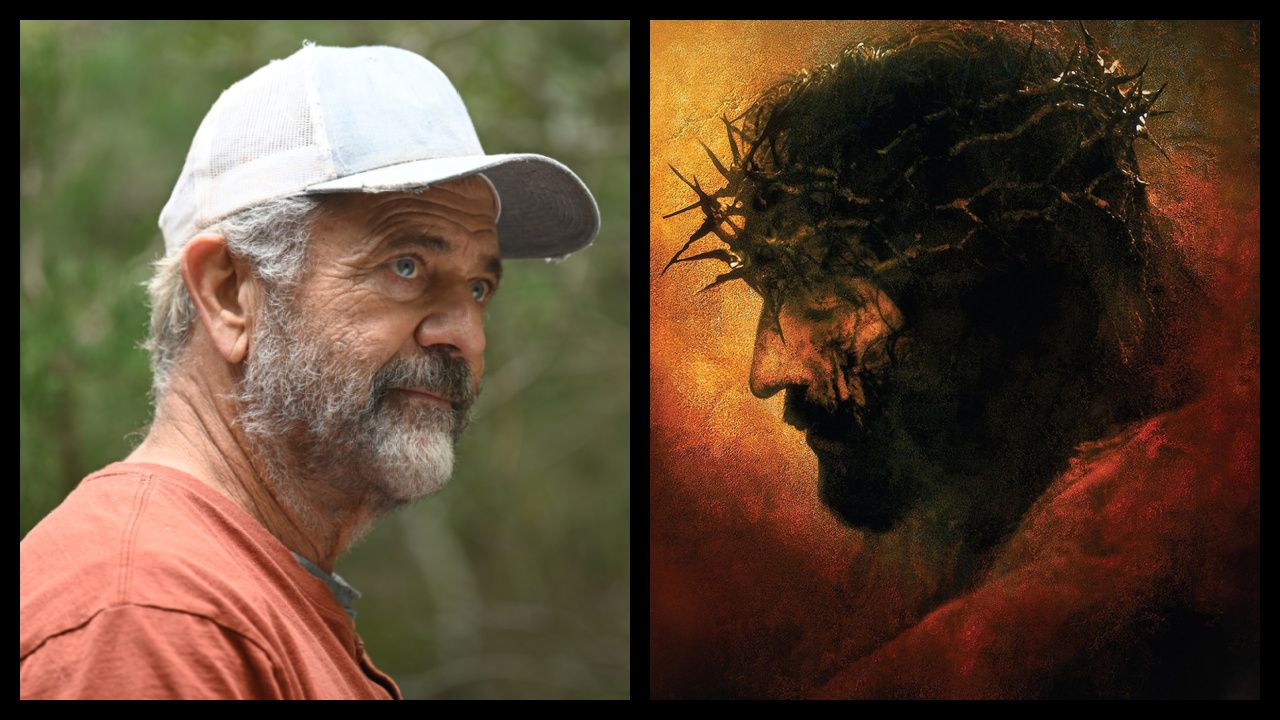
When Jim Caviezel entered the picture, something clicked.
The two spoke for hours about faith, sacrifice, and darkness.
Gibson warned him the role could destroy his career.
Caviezel answered calmly that every man must carry his cross.
When Gibson learned Caviezel was 33—the age of Christ—and that his initials were J.C., even he was shaken.
From that moment, the role felt inevitable.
From the start, the set felt different.
Filming in Matera, Italy, the weather became violently unpredictable.
Calm skies turned black in minutes.
Wind tore through equipment.
Then came the moment no one could explain.
While filming the Sermon on the Mount, Caviezel was struck by lightning.
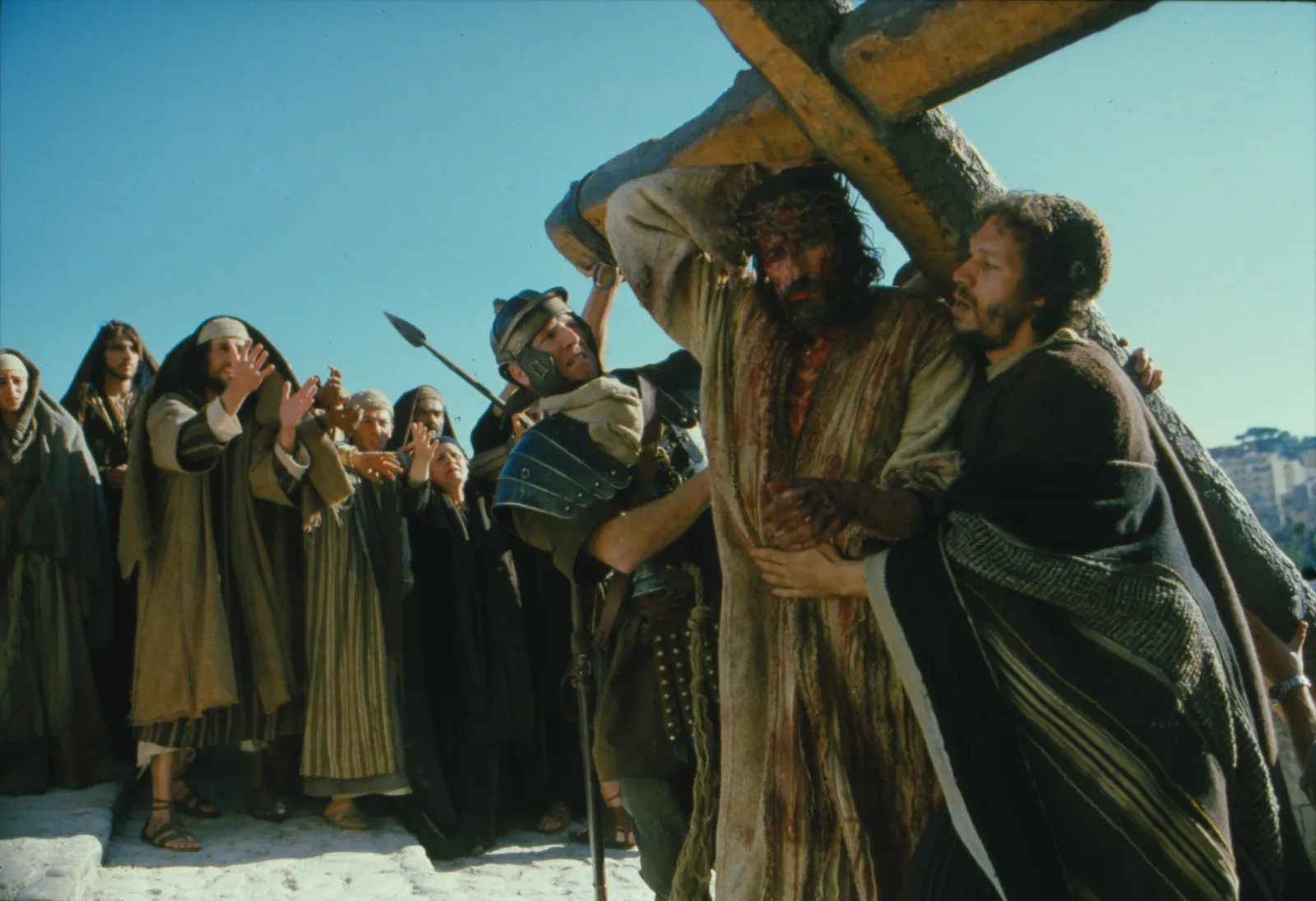
Witnesses described him engulfed in white light.
As crew members rushed toward him, lightning struck again—twice in the exact same place.
Both Caviezel and the assistant director survived without burns.
The odds were nearly impossible.
After that day, everything changed.
Crew members prayed before filming.
Skeptics crossed themselves.
No one laughed about coincidences anymore.
The suffering escalated.
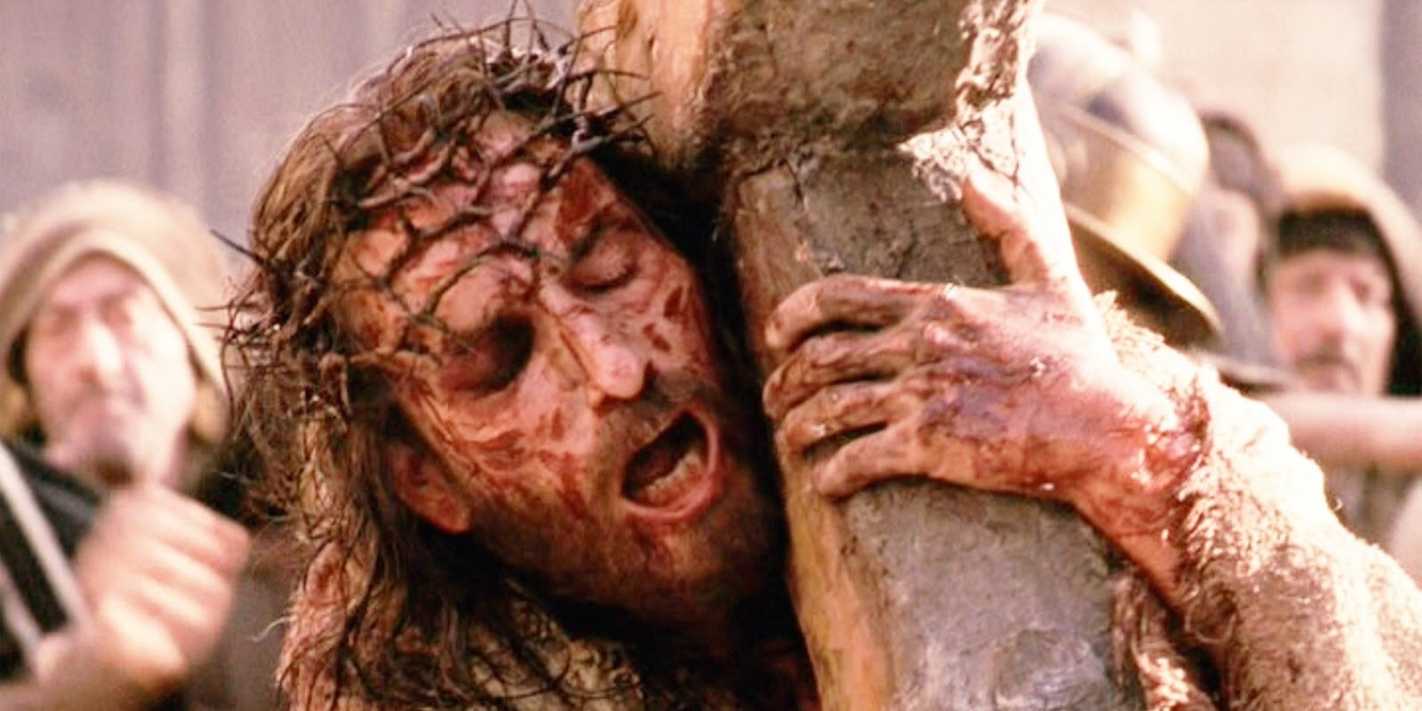
During the scourging scene, a whip strike missed its mark and tore into Caviezel’s back, embedding metal into his flesh.

His scream in the film was real.
A second strike opened a wound more than a foot long—still visible today.
Later, while carrying a real 150-pound cross, it fell onto his head, dislocating his shoulder.
Blood mixed with makeup.
Caviezel refused to stop filming.
What appears on screen is not acting.
It is pain.
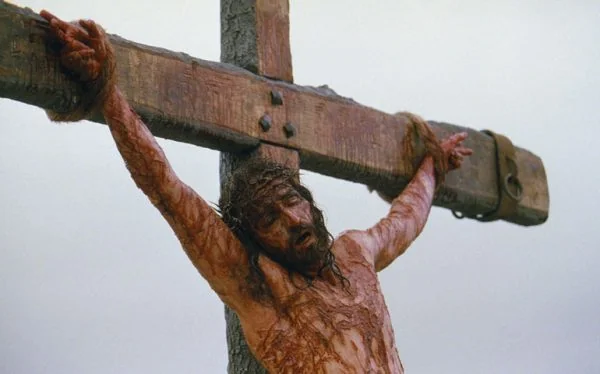
The crucifixion scenes pushed his body to the edge.
Filmed in winter rain and freezing wind, Caviezel hung from the cross for hours, developing hypothermia and later double pneumonia.
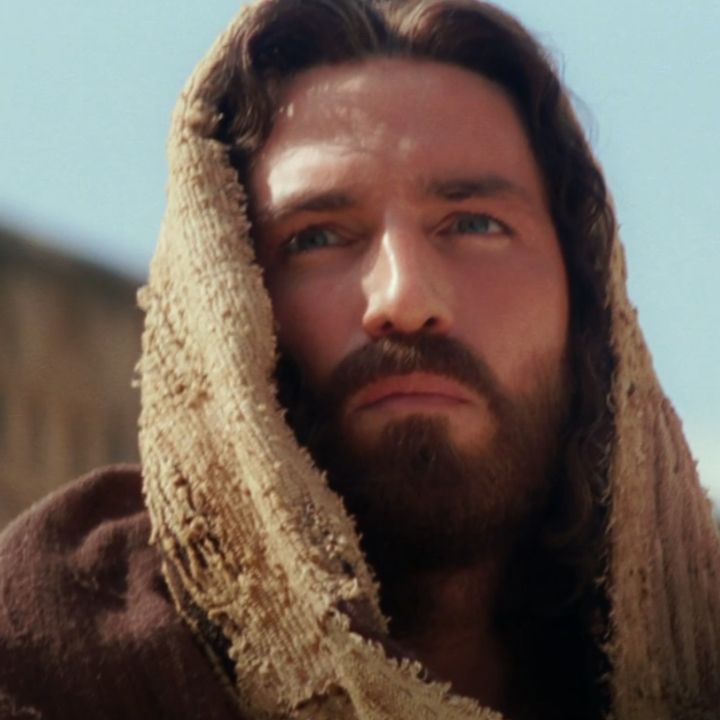
Between takes, makeup artists worked endlessly, and eventually he slept wearing prosthetic wounds to save time.
His body began to fail, yet he insisted on finishing every scene.
Acting had vanished.
Suffering remained.
As the pain intensified, the atmosphere grew heavy.
Silence would fall over the set during the most brutal scenes.
Crew members wept openly.
Some claimed to see unexplained lights or figures dressed in white who appeared briefly, gave direction, then vanished.
No footage ever captured them.

Others felt a presence they could not name.
For many, filming became a spiritual retreat rather than a job.
Transformations followed.
Luca Lionello, who played Judas, was an outspoken atheist before the film.
After weeks immersed in the story, he converted to Christianity and was baptized with his family.
Pietro Sarubbi, who played Barabbas, described locking eyes with Caviezel during filming and feeling forgiven by Jesus himself.
That moment shattered him.
He later embraced faith and wrote a book about his conversion.
Even the actress portraying Mary carried a hidden secret—she was pregnant, giving her presence an unexplainable radiance.

Meanwhile, the actress playing Satan described feeling emotionally devastated, sensing something dark and oppressive during her scenes.
When filming ended, no one felt they had merely finished a movie.
Many believed they had witnessed something holy pass through that place.
Hollywood wanted nothing to do with it.
Gibson financed distribution himself, screening the film in churches and parishes.
Word spread like fire.
On Ash Wednesday 2004, the film premiered.
Lines wrapped around city blocks.
Theaters fell silent.
People wept, prayed, fainted.
Some left and went straight to church after years away.
Against every prediction, the film earned over $600 million worldwide, becoming the highest-grossing non-English film in history.
But success came with punishment.
Critics accused Gibson of fanaticism and hatred.
Media attacks were relentless.
Then came his public collapse in 2006, an arrest that ended his standing in Hollywood overnight.
He disappeared into isolation, addiction, and shame.
Jim Caviezel suffered too.
His career stalled.
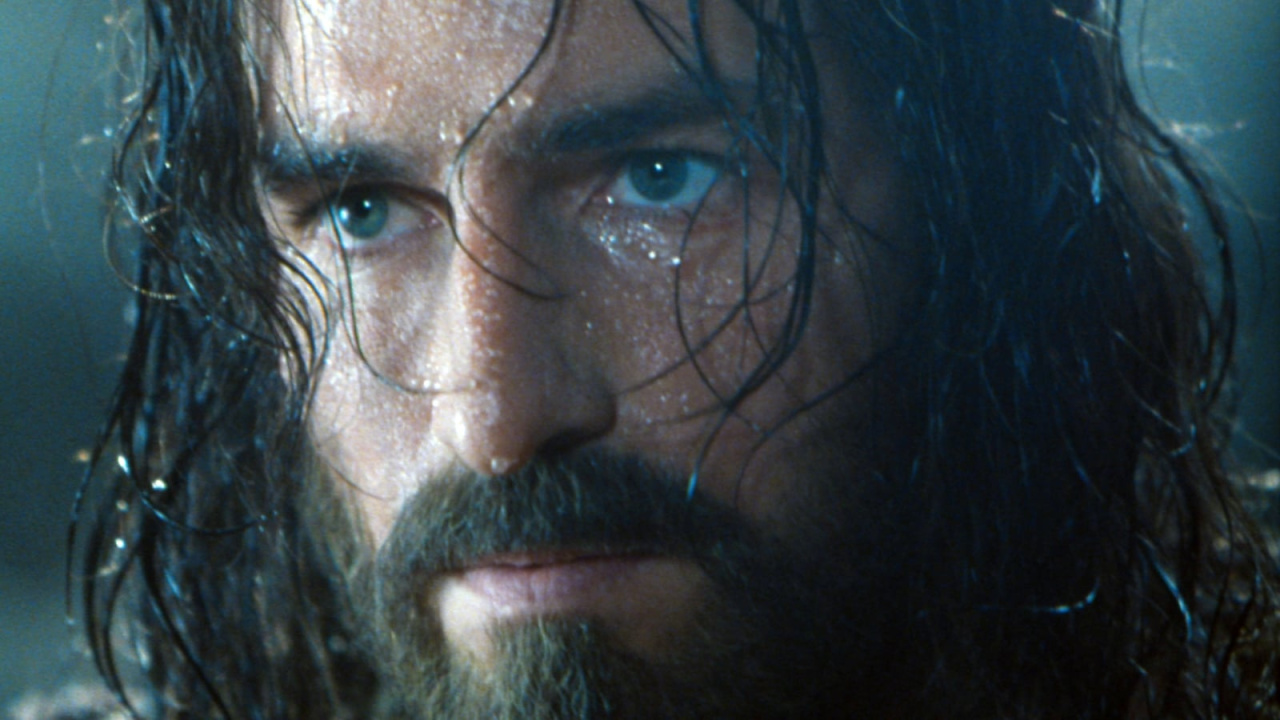
He was labeled “unhireable.
” Yet both men endured.
Now, nearly twenty years later, Gibson is returning—not to the cross, but beyond it.
The Resurrection of Christ aims to explore what happened between death and dawn, the descent into darkness, and the victory over death itself.
Whether the world is ready remains to be seen.
But if history is any indication, this story will not leave anyone unchanged.